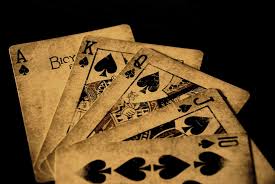
ceramicsolutionsconroe.com – Euchre is one of the most beloved trick-taking card games in the world, with a rich history that dates back centuries. Known for its fast-paced play and strategic depth, Euchre has evolved over time, and its origins remain an intriguing part of card game lore. As of 2018, Euchre continues to be a popular choice for card enthusiasts, from casual players to competitive tournament participants.
In this article, we’ll explore the origins of Euchre 2018, its journey from medieval Europe to the present day, and how it remains one of the most widely played card games in North America. Along the way, we’ll also introduce Cardanoir, a fun and engaging card game that provides an enjoyable alternative for those seeking new ways to unwind.
The Origins of Euchre: A Brief History
The story of Euchre begins in Europe in the early 19th century, though its roots can be traced back even further to a variety of older trick-taking games. Euchre is believed to have evolved from the French game of “Jass”, which itself had its origins in the Swiss card game “Jass” from the late 18th century.
The Spread of Euchre to America
By the early 1800s, Euchre made its way to North America, particularly in the United States and Canada, where it became incredibly popular. It was especially embraced by settlers in the Midwest and Great Lakes regions, where Euchre found a place in homes, bars, and community gatherings. The game’s easy-to-understand rules, combined with its social and competitive nature, made it an instant hit.
By the 20th century, Euchre had firmly established itself as one of the most popular card games in the United States, particularly in the Midwest. It has remained a classic in card game culture, with local variations and informal rules that contribute to its enduring popularity.
The Evolution of Euchre and Its Popularity in 2018
Euchre underwent numerous changes over the years as it spread throughout the world. Regional variations emerged, each with its own set of rules and strategies, and by 2018, the game had become widely recognized in many countries, particularly in North America. Its popularity remained strong among those who enjoy trick-taking card games, leading to the development of online platforms where enthusiasts can play against others from around the globe.
As of 2018, the traditional Euchre game has been adapted for digital play, with mobile apps and online communities keeping the game alive for newer generations. While the core mechanics of the game remain the same, technological advancements have introduced new ways for players to engage with Euchre, whether through online tournaments or casual play.
The Rules of Euchre: A Quick Overview
The gameplay of Euchre is straightforward, but it involves a level of strategic depth that keeps players coming back for more. Here’s a quick rundown of how Euchre is typically played:
-
Players: Euchre is played with four players divided into two teams of two. Partners sit across from one another.
-
Deck: A standard Euchre deck consists of 24 cards—9, 10, Jack, Queen, King, and Ace from each suit.
-
Objective: The objective of the game is to win as many tricks as possible. A trick is a round where each player plays one card, and the highest card in the trump suit (or highest card in the played suit) wins.
-
Trump Suit: At the beginning of each hand, a trump suit is declared. Cards from the trump suit are stronger than cards from other suits.
-
Scoring: Points are scored by winning tricks, with the goal of accumulating more tricks than the opposing team. The first team to reach a predetermined number of points wins.
How Euchre Relates to Other Card Games
As a trick-taking card game, Euchre shares similarities with other classic games like Bridge and Spades. However, Euchre is much faster-paced and easier to learn, making it more accessible for new players. The partnership aspect of the game also makes it an excellent social game, where communication and cooperation are key to success.
Much like Cardanoir, Euchre requires strategic thinking, quick decision-making, and an understanding of how to play your hand against the opposition. These aspects of gameplay provide both entertainment and mental engagement.
Cardanoir: A Fun Game for Relaxation and Strategy
After a round of Euchre, you may want to unwind with another enjoyable card game—Cardanoir. This strategic card game is perfect for those who love games that involve planning and thought.
How to Play Cardanoir
-
Deal Cards: Each player is dealt six cards, placed face down in two rows of three cards each.
-
Objective: The goal is to have the lowest possible score by the end of the game. Players take turns swapping cards to reduce their total points.
-
Card Values: Number cards (2-10) are worth their face value, while face cards (Jack, Queen, King) are worth 10 points. Aces are worth 1 point.
-
End of the Game: The game ends when a player decides to “close” the round. The player with the lowest total score wins.
Why Cardanoir is Fun
Much like Euchre, Cardanoir offers strategic depth and is easy to pick up, making it a perfect choice for casual gaming with friends and family. It’s a great way to practice your card-playing skills, relax, and enjoy a bit of friendly competition.
The Enduring Popularity of Euchre and Enjoying Cardanoir
The origins of Euchre 2018 show how the game has evolved and remained a beloved card game, thanks to its accessible rules and social nature. Whether you’re playing Euchre with friends at home or enjoying the digital version, the game’s popularity continues to thrive.
After a fun and competitive round of Euchre, you can unwind with Cardanoir, a strategic and enjoyable card game that offers a great way to relax. Both games highlight the joy of card games, mixing strategy, luck, and social interaction.